Does Business Insurance Cover Spoiled Food?
If you own a business within the food industry, having the right bar and restaurant insurance can be highly beneficial. One type of business...
2 min read
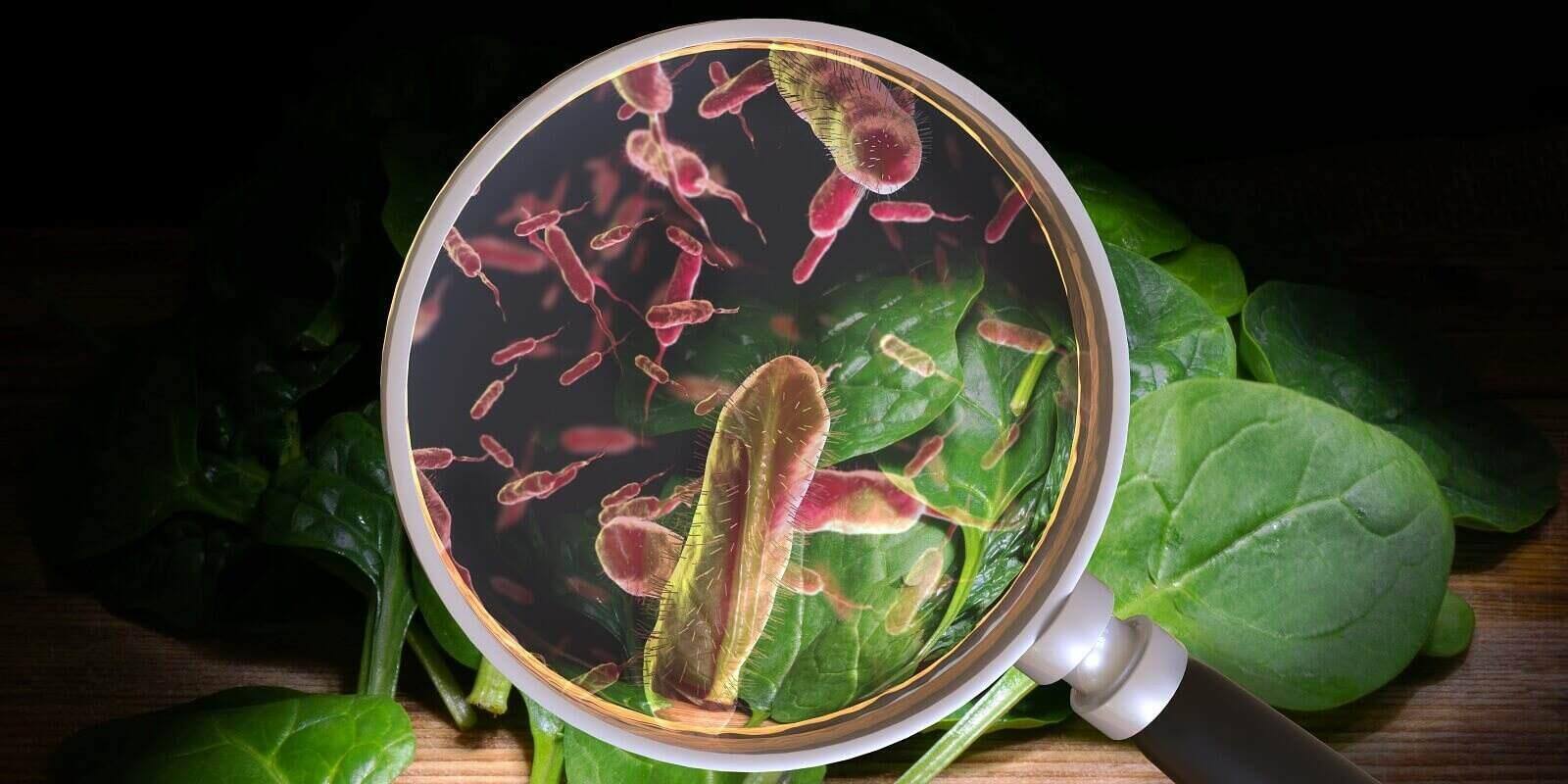
 Food spoilage is one of the leading risk factors for bars and restaurants. Spoiled food leads to excessive financial waste and increases the risk of legal claims if your bar serves spoiled food to a patron.
This review discusses several ways to reduce your bar’s food spoilage and mitigate your financial risk overall.
Food spoilage accounts for approximately 10% of the food that is purchased by bars. To put this in perspective, this accounts for approximately 22 to 33 billion pounds of food each year in the United States alone, according to the National Restaurant Association.
Understanding the lifespan of all ingredients you use at your bar is important. Also, remember that food can spoil in various ways, and you need to be able to detect it and avoid serving it to patrons. Here are factors that can accelerate the spoilage of food.
Of course, cooking all foods to the appropriate temperature is also essential to avoid contamination and food poisoning among patrons. Although the goal is to prevent food spoilage, tossing out any food that may have gone bad rather than trying and salvaging it to save money is essential.
 Every bar and restaurant should have its strategy for reducing food spoilage. Of course, the methods may vary based on the type of food you serve and the location of your establishment. However, three universal methods for reducing food spoilage include inventory management, proper food storage, and staff training and education.
This may be easier than some bar owners, but one of the most straightforward solutions to reduce food spoilage is to avoid over-purchasing and overstocking food items. Understanding your inventory needs can improve your overall food expenditure and reduce food spoilage amounts for your bar.
According to Hazard Analysis Critical Control Point (HACCP) guidelines, food must be refrigerated between 34 and 40 degrees Fahrenheit; frozen foods must be kept below freezing. The HACCP recommends storing food between 50 and 70 degrees Fahrenheit for food pantries. However, food storage is about more than temperature. To ensure proper food storage for your bar, follow these storage tips:
 Although bar owners typically understand food storage rules, their employees may need to help understand them. It is important to focus on proper employee training to reduce food spoilage and ensure that the food does not become contaminated.
The more your staff knows and the more prepared they are, the lower your overall risk of food spoilage (and lawsuits related to contaminated and spoiled food being served).
Here at Pro Insurance Group, we help protect our clients financially through personalized and comprehensive insurance policies. If you are a bar owner and want a free insurance quote, we encourage you to contact us today.
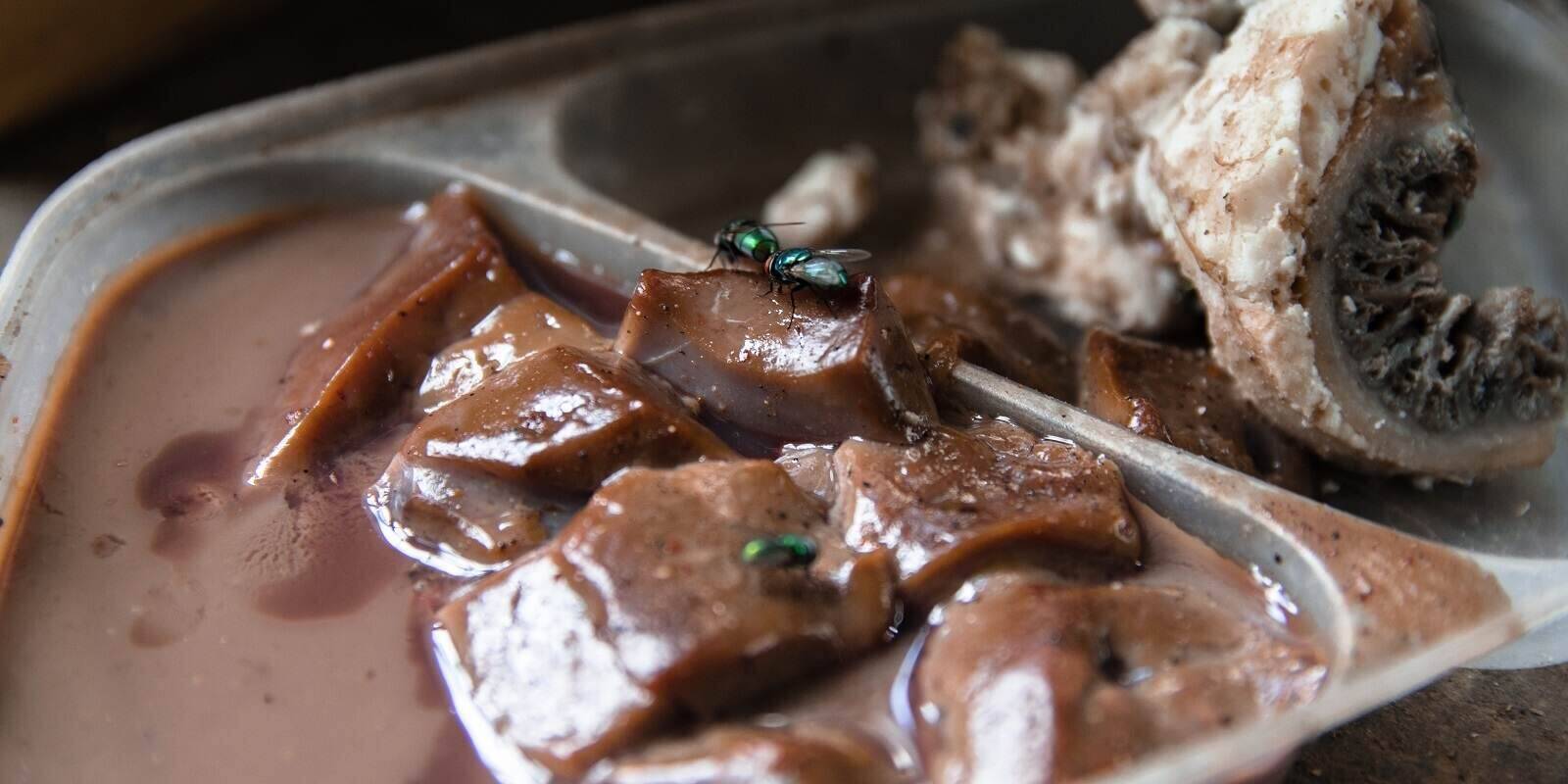
If you own a business within the food industry, having the right bar and restaurant insurance can be highly beneficial. One type of business...
Running a successful bar or pub can be immensely rewarding, but it’s no secret that operating such a business isn’t easy. Between ordering stock,...

Often our best memories were made in sports bars. Most patrons are respectful and well-mannered. But some may take things too far, opening your bar...