Electrician Insurance: Cost & Coverage
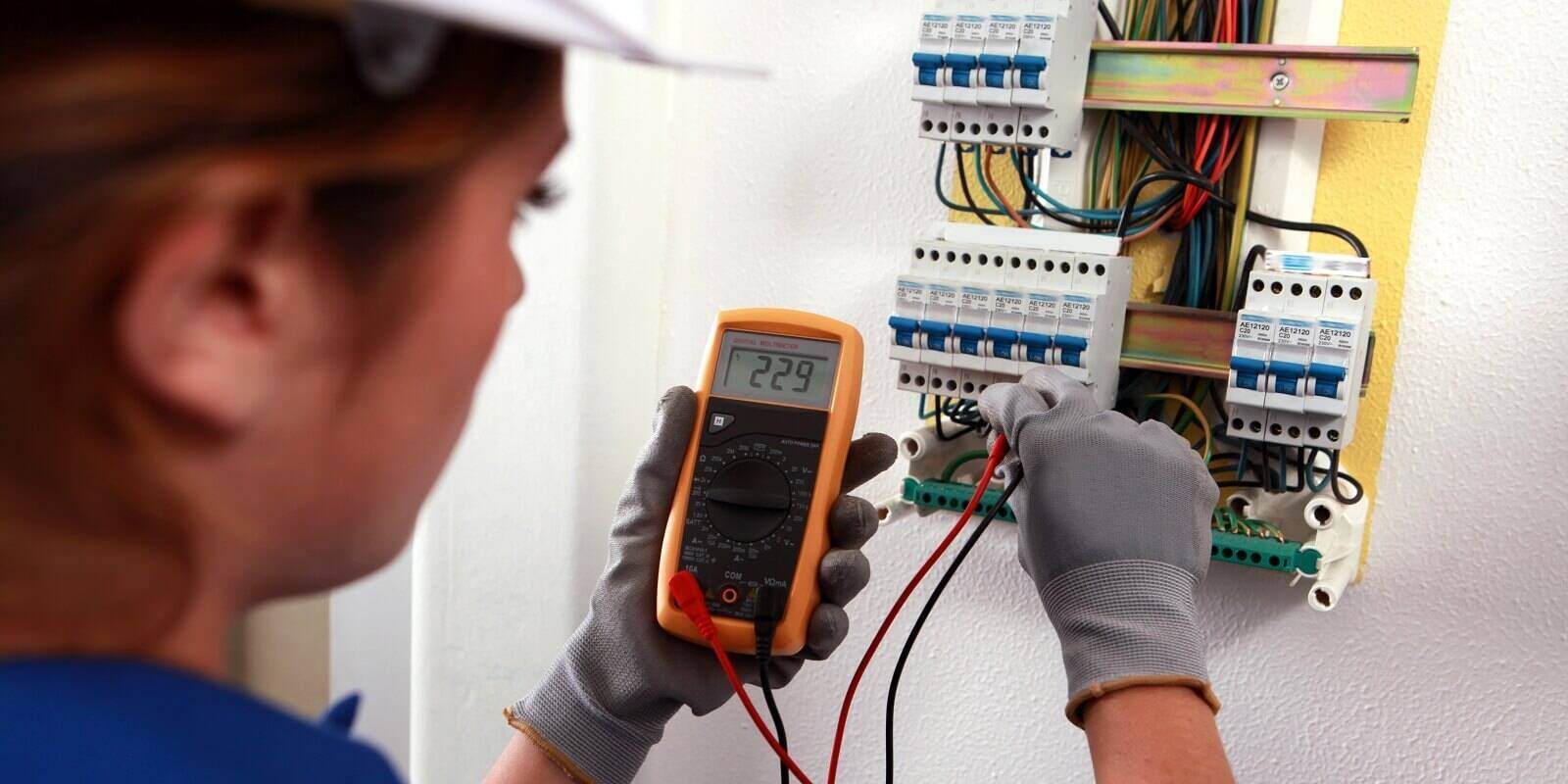
As the world becomes more reliant on electricity, electricians maintain a job that is constantly changing, and that can also be quite dangerous....
3 min read

 This review discusses the best questions to ask and provides a general description of their importance with possible answers your insurance agent may provide. This guide will help you prepare a list of questions to ask a business insurance agent when selecting or changing your policy needs.
It helps to have as much information and professional advice as possible when choosing a business insurance policy. Meeting with a business insurance agent to discuss your policy needs will provide the most accurate information specific to your business. Below is a close look at several questions you should ask to help you make informed decisions about your policy needs.
Every company is unique and should receive a personalized policy recommendation based on specific business needs. However, there are some more common business insurance policies that should be considered. These include:
Additional policy types include errors and omissions (E&O) and commercial umbrella insurance. E&O insurance, also called professional liability insurance, covers costs associated with claims of negligence or inadequate work. Umbrella insurance protects you financially if a covered event claim exceeds the coverage limits of your primary policy. Additional policies may be necessary as well based on your company’s specific needs.
 Be sure to speak with a business insurance agent who is familiar with your industry as you may need a combination of policies. However, in general, most businesses require at least general liability insurance, worker’s compensation, and commercial property insurance.
Your policy should cover all major expenses your business may face when a covered event occurs. This includes but is not limited to property damage, bodily harm (i.e. medical costs associated with workplace injury), legal fees and settlement payments.
Of course, your coverage depends on the specifics of your policy, and coverage limits may also apply. There are two types of limits — aggregate and per-occurrence limits. Aggregate limits refer to the total amount your policy covers per year, and per-occurrence limits refer to the total amount your policy covers for an individual claim.
This depends on a variety of factors, such as the deductible, coverage limits, claims history, industry, location, business size and the nature of your business operations. For example, if you select a low deductible and high coverage limit, then the premium payments will be higher than a policy with a high deductible and low coverage limit. Of course, the size of your policy needs will play a role as well.
 The best way to save money on business insurance costs is to bundle multiple policies with the same business insurance provider who is also willing to provide bundling discounts. For example, if you need general liability insurance, commercial auto insurance, and property insurance, it is best to choose one provider who offers all three as they are likely to provide you with a notable discount.
You can also help reduce insurance costs by putting safety measures in place that reduce your overall risk of needing to file a claim. For example, you may have a lower property insurance premium if you have installed a reliable security system at your commercial property.
Pro Insurance Group offers personalized business insurance policies designed to meet your precise company needs. If you are unsatisfied with your existing policy or are purchasing a business insurance policy for the first time, call us or send us a message today to speak with one of our agents.
As the world becomes more reliant on electricity, electricians maintain a job that is constantly changing, and that can also be quite dangerous....

Business insurance protects businesses from losses that may occur during normal operations. Accidents, lawsuits, and even bodily injuries can cause a...

There are steps you can take to mitigate the risk of alcohol-related incidents if you serve alcohol to patrons. However, there is no way to eliminate...