 Neal Fusco
What Is Towing Insurance?
 Neal Fusco : Aug 10, 2020, 12:00:00 AM
What towing insurance is, what it covers, what it costs, and the critical garagekeepers gap most operators miss. Neal Fusco's complete 2026 guide.
Quick Answer: Progressive Commercial reports that tow truck insurance cost its new customers a median of $355 per month in 2025, with an average of $606. Insureon reports a median of $737 per month for commercial auto among the towing businesses that apply through it. The core coverages are commercial auto liability, physical damage, on-hook, garagekeepers, general liability, and workers compensation. Your exact cost depends on operation type, vehicle class, driver records, and where you operate.
Running a towing operation means managing unique roadside risks, both for your trucks and for the customer vehicles in your care. The right tow truck insurance program protects your drivers, your equipment, and your balance sheet, and it can be tailored to the exact mix of light-duty, medium-duty, heavy recovery, storage, and repo work you perform. Below is a practical guide to what it costs in 2026, which coverages you actually need, and the proven levers to lower your premiums without sacrificing protection.
For the full structured cost reference with premium ranges by truck class, radius, state, and coverage line, see our complete tow truck insurance cost guide.
Insuring a tow truck or a towing fleet?
We benchmark top towing carriers, structure on-hook and garagekeepers correctly, and set your limits to match your contracts. Get a competitive quote fast.
Get a Towing QuoteThere is no one-size price. These are the most recent published figures:
| Published figure | Cost and source |
|---|---|
| Tow truck insurance, median | $355 per month Progressive Commercial, new customers, 2025 |
| Tow truck insurance, average | $606 per month Progressive Commercial, new customers, 2025 |
| Commercial auto, median | $737 per month ($8,839 a year) Insureon |
| General liability, median | $58 per month ($700 a year) Insureon |
| Workers compensation, median | $650 per month ($7,795 a year) Insureon |
Progressive's figures are for its own new policies in 2025, per truck, for liability and physical damage with no driver violations. Insureon's are medians for the towing businesses that apply for quotes through it, last updated in May 2025. Neither is a quote, and on-hook and garagekeepers are priced on top.
Why prices keep climbing: Across commercial auto, claim severity, repair costs for vehicles loaded with driver-assist technology, and litigation (so-called nuclear verdicts) continue to push rates up through 2025 and 2026. Most insureds should expect ongoing pressure unless loss trends materially improve.
Illinois note: Operators in Illinois and other challenging states have seen outsized increases tied to repair inflation, medical costs, and claim frequency. Shopping and program design matter more than ever.
Use these as directional benchmarks. Your actual pricing depends on loss history, geography, vehicle mix, and limits.
| Operation type | How it prices |
|---|---|
| Light-duty / roadside towing | Generally the lowest of the three (auto liability plus physical damage; add on-hook and garagekeepers as needed) |
| Heavy-duty recovery / accident response | Higher, reflecting claim severity and equipment cost |
| Repossession | Highest, due to confrontational exposures and loss frequency |
Remember that brokered work and contracts may require $1 million combined single limit even when federal minimums are lower. Set limits to your true exposure, not just the minimums.
Many towing operators also run other commercial vehicles. If that is you, our commercial trucking and fleet insurance programs can be coordinated with your towing coverage under one account, which often improves pricing and simplifies renewals.
Carriers are rewarding telematics, dash cams, and strict driver standards as loss-control credits. Hard markets also mean fewer quoting carriers and tighter underwriting.
Each coverage below is one layer of a complete towing company insurance program; most operators need all six working together, not a single policy.
Pays third-party bodily injury and property damage when your truck is at fault. For for-hire property carriers at or above 10,001 lbs in interstate commerce, the federal minimum is $750,000 combined single limit, and many contracts require $1 million.
Comprehensive and collision coverage that repairs or replaces your tow trucks if they are damaged or stolen. Expect higher costs for advanced equipment and late-model units.
Covers damage to non-owned vehicles while they are being towed or loaded and unloaded, including collision, fire, theft, and vandalism.
Protects customer vehicles in your care, custody, or control while stored or serviced at your facility, for perils like fire, theft, vandalism, or on-premises collision. Not the same as general liability.
Covers third-party slip and fall and operations liability that is not auto-related, such as a visitor injured at your office.
Required in most states once you have employees, and crucial for a roadside industry with high injury exposure.
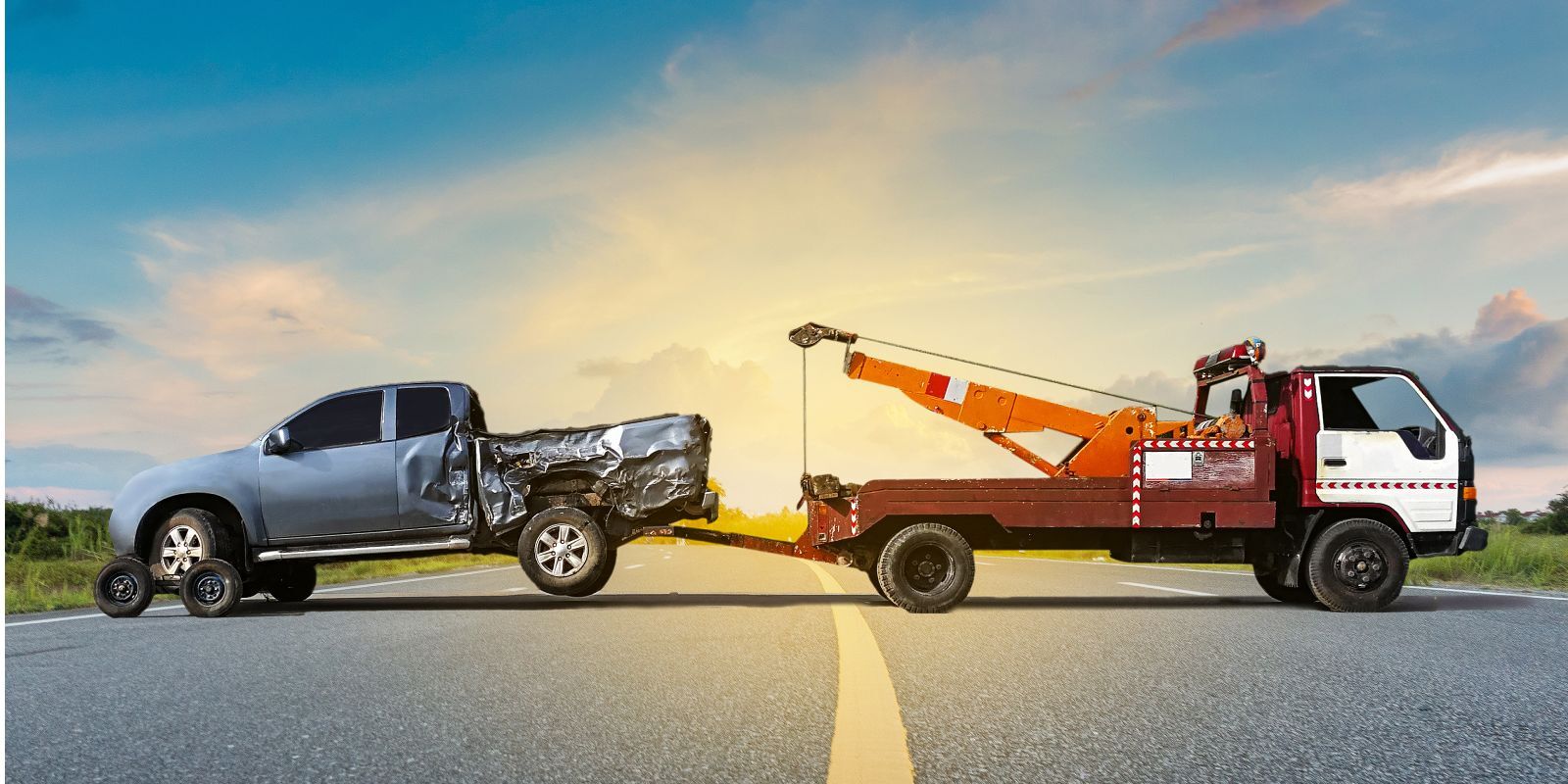
Why on-hook and garagekeepers both matter: On-hook protects the customer vehicle while it is in transit. Garagekeepers protects it on your lot or in your shop. Many claims happen after the tow, so a gap here is costly.
| Coverage | Protects the customer vehicle |
|---|---|
| On-hook towing | While being towed (collision, fire, theft, vandalism, load and unload) |
| Garagekeepers | On your premises (stored or serviced), for fire, theft, vandalism, collision |
Independent research continues to show elevated risk for roadside responders and towing personnel. A 2024 AAA Foundation analysis found that 123 roadside assistance providers were struck and killed between 2015 and 2021, nearly four times more than national crash databases captured, often at highway speeds, at night, and with distraction or impairment factors present. Earlier NIOSH analysis of towing workers from 2011 to 2016 found an annual fatality rate roughly 15 times higher than the private-industry average, which is why carriers scrutinize safety controls and training in underwriting.
What helps, and can earn credits: compliant Move Over practices, high-visibility protective equipment, cones and arrow boards where appropriate, dash cams and telematics, formal driver training, and documented incident-management procedures.
Compare top towing carriers in one place
Whether you run a single rollback or a multi-location heavy-duty fleet, we benchmark carriers, structure on-hook and garagekeepers correctly, and set deductibles and limits for your risk and contracts. We write towing, trucking, and transportation risks nationwide.
Get a Towing Quote Call 833-776-4671Tempted to chase the lowest number? Before you decide on price alone, read our honest breakdown of what cheap tow truck insurance actually gets you so you do not trade a small savings for a catastrophic gap.
For interstate, for-hire towing, the federal minimum liability limit is $750,000 combined single limit for property carriers at or above 10,001 lbs (higher for certain hazardous materials), though most contracts expect $1 million. Proof and filings follow 49 CFR Part 387, and carriers must keep the required financial responsibility on file to keep their authority active.
Related towing guides
Progressive Commercial reports a median of $355 per month and an average of $606 per month for new tow truck customers in 2025, for liability and physical damage. Insureon reports a median of $737 per month for commercial auto among the towing businesses that apply through it. Your price depends on drivers, trucks, limits, and state.
General liability covers third-party bodily injury and property damage that does not arise from auto use, such as a visitor injured at your office. Garagekeepers covers customer vehicles in your care at your premises for storage or service.
If you tow non-owned vehicles, on-hook is essential. Your commercial auto policy typically does not cover damage to the vehicle you are towing.
The federal minimum for many for-hire property carriers is $750,000, but contracts, motor clubs, and shippers frequently require $1 million. Your loss profile and assets should inform the final limit.
Industry-wide loss severity from repair costs, medical inflation, and litigation, combined with reduced carrier appetite, is pushing rates up. Strong safety practices and telematics can help offset the pressure.

Reviewed by Neal Fusco, VP Commercial Lines
25+ years placing towing, trucking, and commercial auto coverage across Illinois and 40+ states.
Illinois licensed insurance producer #18515626
 Neal Fusco : Aug 10, 2020, 12:00:00 AM
What towing insurance is, what it covers, what it costs, and the critical garagekeepers gap most operators miss. Neal Fusco's complete 2026 guide.
 Neal Fusco : May 24, 2021, 12:00:00 AM
Auto body shops with tow trucks face dual exposure: on-hook AND garagekeepers. Why your garage policy isn't enough. 2026 guide by Neal Fusco.
 Neal Fusco : Mar 4, 2026, 3:18:35 PM
Commercial truck insurance cost in 2026: published figures from Insureon, Progressive and MoneyGeek, semi truck rates by type, and ways to lower it.