 Neal Fusco
Who Needs Commercial Towing Insurance?
 Neal Fusco : Apr 5, 2021, 12:00:00 AM
Complete guide to who needs commercial towing insurance: 12 business types, their specific risks, and the coverages each one requires. By Neal Fusco

Quick Answer: Commercial towing insurance is a bundled program of 7 to 9 specialized coverages built for tow truck operations. The core stack includes primary commercial auto liability ($1M standard), physical damage on the tow truck itself, on-hook coverage for customer vehicles being towed, and garagekeepers legal liability for vehicles stored on your lot. In 2026, a single-truck light-duty local operation typically pays $5,400 to $8,400 per year; heavy-duty long-haul and repossession operations can exceed $25,000 per truck. The right program depends on truck class, operating radius, driver records, and the specific types of work you perform.
Pro Insurance Group writes tow truck and commercial towing insurance for tow operators across 40+ states through Progressive Commercial, Berkshire Hathaway Homestate (BHHC), National Indemnity (NICO) via RPS, Arrowhead, KBK Insurance, and specialty MGA markets. Call 833-776-4671 or request a tow truck insurance quote online.
Commercial towing is one of the most specialized insurance classes in the commercial market. A tow operator faces exposures that no standard commercial auto policy was designed to handle: customer vehicles in transit on your hook, customer vehicles parked overnight on your lot, recovery operations on the side of busy highways, driver safety risks at roadside, and contractual indemnity requirements from motor clubs, municipalities, and dealers. Generic business insurance does not respond properly when something goes wrong on any of those fronts.
This guide explains what commercial towing insurance is, what it covers, who needs it, how it is priced, and what to look for when comparing programs. For pricing detail, see our 2026 Tow Truck Insurance Cost Guide. For Illinois-specific carrier appetite and quoting, see our Illinois Towing Insurance page.
Commercial towing insurance is a bundled program of specialized coverages designed for businesses that tow vehicles for compensation. It is fundamentally different from standard commercial auto insurance because it covers exposures that exist only in towing operations: damage to customer vehicles being transported, theft of customer vehicles stored on your premises, wrongful repossession claims, on-scene recovery liability, and the elevated bodily injury risk of working at roadside.
A complete tow truck insurance program is built from multiple individual coverage lines, each addressing a specific exposure. The mix depends on the type of towing you perform. A light-duty roadside operation needs a different stack than a heavy-recovery business or a repossession operation. The right program covers every part of how you actually work, including the customer's vehicle from the moment you hook it to the moment it leaves your premises.
Towing insurance is also one of the most rigorously regulated commercial classes in the industry. Federal FMCSA filings (MCS-90, Form E, Form H), state-specific licensing requirements, motor club contractual obligations, and police rotation indemnity agreements all create paperwork that the policy must support. A broker who places towing regularly understands these requirements; one who places it occasionally usually does not.
Any business that physically tows vehicles for compensation needs commercial towing insurance. The category is broader than most operators realize. It includes:
For a deeper breakdown of each business type and the specific exposures each faces, see Who Needs Commercial Towing Insurance?
A complete tow truck insurance program is built from 7 to 9 individual coverage lines. Here is what each line covers and why it matters.
| Coverage | What It Protects |
|---|---|
| Primary Commercial Auto Liability | Third-party bodily injury and property damage from your tow truck operations. $1M combined single limit is standard for motor club work; $750K is the federal FMCSA minimum. |
| Physical Damage (Comp + Collision) | Damage to your own tow truck and equipment. Required if the truck is financed. Scales with stated value. |
| On-Hook Towing Coverage | Damage to the customer vehicle while attached to your hook or being loaded. Standard auto liability does NOT cover the vehicle you are towing. |
| Garagekeepers Legal Liability (GKLL) | Damage to customer vehicles stored on your lot from fire, theft, vandalism, weather, and collision. Required by most motor club and municipal contracts. |
| General Liability | Premises liability and slip-and-fall claims not connected to auto operations. Covers your shop, lot, and office exposure. |
| Workers Compensation | Required by state law when employees are on payroll. Pays medical expenses and lost wages for injured drivers. Tow operations price in the elevated rate class. |
| Medical Payments | Medical expenses for you, your drivers, and passengers injured while in the tow truck, regardless of fault. |
| Uninsured/Underinsured Motorist | Pays for injuries to you and your drivers caused by drivers without adequate insurance. Critical at roadside. |
| Commercial Umbrella / Excess Liability | Additional $1M to $10M+ in liability limits layered above primary auto and GL. Often required for police rotation and dealer contracts. |
| Wrongful Repossession (Repo Only) | Required for repossession operations. Covers claims arising from contested or improper repossessions. Excluded by most standard tow policies. |
| Cargo Coverage | Covers customer property inside the towed vehicle (limited; tenant-style coverage). Less commonly purchased but valuable for long-haul recovery. |
| MCS-90 Endorsement | Federal filing required for interstate for-hire towing. Functions as a public injury financial responsibility backstop. |
The two most commonly under-purchased coverages in this list are on-hook and garagekeepers legal liability. Many operators carry on-hook limits of $50,000 or less, then pick up a $120,000 vehicle and have no answer for the gap. For a deeper dive on on-hook coverage specifically, see What Is On-Hook Towing Insurance? For garagekeepers, see our Garagekeepers Insurance page.
Tow truck insurance pricing varies significantly by truck class, operation type, and operating radius. Here is the high-level snapshot for 2026:
| Operation Type | Typical Annual Premium per Truck |
|---|---|
| Roadside assistance only (no towing) | $3,600 - $5,400 |
| Light-duty local towing | $5,400 - $8,400 |
| Medium-duty towing and recovery | $8,400 - $16,200 |
| Repossession towing | $9,600 - $15,000 |
| Police rotation / municipal impound | $10,800 - $18,000 |
| Heavy-duty recovery and long-haul | $12,000 - $25,000+ |
Premium is driven by truck class, operating radius, driver records, years in business, loss history, coverage limits selected, and state filing requirements. New ventures typically pay 30 to 60 percent more in the first year and normalize by year 3. For complete pricing by operation type, coverage line, state, and four sample quote scenarios, see our 2026 Tow Truck Insurance Cost Guide.
Tow truck insurance requirements vary at both the federal and state level. Understanding both is essential for any operation regardless of where you are based.
Federal requirements for interstate operators. Tow operators that cross state lines for compensation are regulated by the Federal Motor Carrier Safety Administration (FMCSA). The federal minimum financial responsibility is $750,000 combined single limit, backed by an MCS-90 endorsement that functions as a public injury financial responsibility backstop. Interstate operators also need MCS-150 registration and USDOT authority. Most commercial tow accounts carry $1M CSL or higher to satisfy motor club, municipal, and dealer contract requirements.
State requirements vary widely. Illinois requires tow truck operators to carry at least $500,000 combined single limit of truck liability and at least $500,000 of garagekeepers liability, plus at least $25,000 of on-hook or garagekeepers coverage (625 ILCS 5/12-606). Other states set their own minimums. Texas and Florida have additional state filings (Form E, Form H) that add compliance complexity. California has the most extensive regulatory framework, including Motor Carrier Permit, CHP rotation requirements, and elevated minimum limits. Always verify the specific filing requirements for every state you operate in.
The practical minimum is $1M CSL. State minimums are almost never enough to satisfy commercial contracts. Motor club work, police rotation, dealer relationships, and most insurance-required tow contracts require $1M combined single limit at a minimum. Operators that try to bid commercial work at state minimum limits typically cannot win contracts. Underwriters know this and price accordingly.
Pro Insurance Group is licensed in 40+ states and headquartered in Elgin, Illinois. We place towing insurance for single-truck owner-operators, fleets, motor club contractors, police rotation operators, repossession operators, and long-haul recovery accounts nationwide. For Illinois-specific carrier appetite and quoting timelines, see our Illinois Towing Insurance page. Additional state landing pages are in development.
1. Under-limiting on-hook coverage. Most operators carry $50,000 or less in on-hook limit, then accept a tow on a $90,000 SUV or $120,000 luxury sedan and discover the gap when the vehicle gets damaged. On-hook limits should reflect the most expensive vehicle you might realistically tow, not the average. The premium difference between $50,000 and $150,000 on-hook is typically $300 to $800 per year, which is cheap insurance against a single uncovered claim.
2. Skipping garagekeepers when you store customer vehicles. If you impound vehicles, hold them overnight, or store them on your lot for any period, garagekeepers legal liability is essential. Without it, a fire or theft on your lot leaves you personally exposed for every customer vehicle damaged. Most operators who skip GKLL do so because they only run roadside calls, then they accept a single impound contract and discover the coverage gap when it triggers.
3. Not adding wrongful repossession coverage when running repo work. Standard tow policies typically exclude or sub-limit wrongful repossession claims. If you accept even occasional repo work, you need this coverage added or a separate repo program. A single contested repossession can generate defense costs of $25,000 to $75,000 before any settlement.
4. Listing only some drivers on the policy. Carriers can deny claims involving unlisted drivers. If a part-time or occasional driver runs a call and a claim happens, your coverage may not respond. Every active driver should be scheduled. MVRs should be pulled on every driver annually so the renewal accurately reflects who is behind the wheel.
5. Buying the cheapest quote without comparing coverage forms. Two towing quotes that look similar on the bottom line can be materially different on coverage. Different carriers write on-hook on different bases (legal liability vs. direct primary). Some include MCS-90 in the base; others charge a separate filing fee. Some carry $500 deductibles; others $2,500. A real comparison requires looking at the actual coverage forms, not just the total premium. We compare quotes side by side for free at 833-776-4671.
Towing insurance is a specialty class. Not every broker can place it competitively, and most who occasionally write it cannot access the specialty markets that handle harder-to-place accounts. When evaluating a broker for your tow truck insurance, the three things that matter most:
Carrier appointments. Does the broker have direct appointments with the major tow markets (Progressive Commercial, BHHC, Nationwide, Hanover) AND access to specialty markets through MGAs (NICO via RPS, KBK, Arrowhead, RRGs)? A broker with only one or two appointments cannot competitively shop your account. We typically market tow accounts to 3 to 7 appropriate carriers per submission depending on operation type.
Knowledge of operation types. Your broker should be able to explain the difference between motor club work, police rotation, and repossession from a carrier appetite standpoint, not just from a policy standpoint. Different carriers write different operation types, and a broker who misclassifies your work at submission ends up presenting you a quote that does not match your actual exposure.
Claims advocacy. When something happens at 2am, the broker is the first call, not the carrier's claim line. We open the claim, coordinate with the adjuster, advocate for you on coverage interpretation, and stay involved through resolution. This is one of the meaningful differences between captive agents and independent specialty brokers when something actually goes wrong.
Federal FMCSA minimum for interstate for-hire towing is $750,000 combined single limit, backed by an MCS-90 endorsement. State minimums for intrastate towing vary; Illinois requires at least $500,000 combined single limit of truck liability for tow trucks (625 ILCS 5/12-606). However, most commercial work (motor clubs, police rotation, dealer contracts) requires $1M CSL. Practically, $1M is the working minimum.
No. Standard commercial auto insurance covers your truck but does not cover the customer vehicle being towed. That requires on-hook coverage. It also does not cover customer vehicles stored on your lot, which requires garagekeepers legal liability. If you operate a commercial towing business with a standard auto policy and no specialty endorsements, you have uncovered exposure on every customer vehicle you handle.
On-hook coverage pays for damage to the customer vehicle while attached to your hook or being loaded onto your truck. It covers collision, fire, theft, explosion, and vandalism during transit. Limits typically range from $50,000 to $250,000 depending on the vehicles you handle. Most operators under-limit here and get caught when towing a single high-value vehicle. For a complete breakdown, see our on-hook coverage guide.
Garagekeepers legal liability (GKLL) covers customer vehicles stored on your premises against fire, theft, vandalism, weather, and collision while in your care. If you impound, hold overnight, or store customer vehicles on your lot for any period, GKLL is essential. Most motor club contracts and municipal impound rotations require it. Standard tow policies do NOT include this coverage by default.
MCS-90 is required for interstate for-hire motor carriers, including towing operations that cross state lines for compensation. It is a federal endorsement that functions as a financial responsibility backstop. If you only run intrastate towing, you generally do not need MCS-90. The filing fee is typically $50 to $200 annually when carriers do not include it in the base premium.
Yes, but premiums are typically 30 to 60 percent higher in the first year. New ventures pay more because underwriters have no loss history or operational track record. The premium normalizes meaningfully by year 2 and stabilizes around year 3-5 with a clean record. Key actions in year one that materially reduce year-two pricing: clean MVRs for every driver, written safety program, in-cab cameras or telematics, $1M primary liability from the start, and proper on-hook limits.
The major admitted carriers writing tow truck insurance include Progressive Commercial, Berkshire Hathaway Homestate Companies (BHHC), Nationwide, and Hanover. Specialty markets accessed through MGAs include National Indemnity (NICO) via RPS, KBK Insurance, Arrowhead, and various Risk Retention Groups. For harder-to-place accounts (adverse loss history, repo operations, non-standard exposures), specialty MGAs and excess and surplus markets provide placement. No single carrier is competitive for every operation type.
Most light-duty and medium-duty towing quotes are returned within 24 to 48 hours of submission. Heavy-duty, repossession, and accounts with adverse loss history can take 5 to 10 business days because they require manual underwriter review. We can typically bind coverage same-day or next-business-day for qualified light-duty operators with clean MVRs.
For a complete quote we need: current declarations page (if any), schedule of trucks with VINs and stated values, list of drivers with dates of birth and license numbers, recent claims history (typically 5 years), description of operations (motor club, police rotation, repo, etc.), operating radius, garaging address, and gross revenue estimate. Federal DOT/MC numbers for interstate operators. State licensing details where required.
No. We coordinate new coverage to bind on the effective date of your current policy expiration or replacement, with no gap. If you want to switch mid-policy, we can coordinate timing. We also handle motor club filings, MCS-90 transfers, and state DOT updates as part of the binding process.
Whether you run a single rollback, manage a fleet, or are launching a new towing authority, Pro Insurance Group quotes commercial towing insurance across our appointed carriers and specialty MGAs at no cost. Typical quote turnaround is 24 to 48 hours for qualified light-duty and medium-duty operations, 5 to 10 business days for heavy-duty, repossession, and complex accounts.
Free portfolio review across our appointed carriers. No obligation. We will look at your current coverage, identify gaps, and quote alternatives across the specialty tow market.
Or call 833-776-4671
2521 Technology Dr, Ste 201, Elgin, IL 60124 | info@proinsgrp.com
About the Author: This guide was written by Neal Fusco, Vice President of Commercial Lines at Pro Insurance Group. Neal brings 25+ years of experience across both the carrier and agency sides of the insurance industry, with deep specialization in commercial towing, trucking, garage keepers, habitational, and complex risk placement. He has placed coverage for light-duty roadside operations, heavy-duty recovery, repossession, police rotation, and motor club tow operators across Illinois and 40+ additional states.
This page is for general informational purposes and does not constitute an insurance quote or binding offer. Actual premiums vary based on operation, state, driver record, loss history, limits, and carrier appetite. Contact Pro Insurance Group for a formal quote.
 Neal Fusco : Apr 5, 2021, 12:00:00 AM
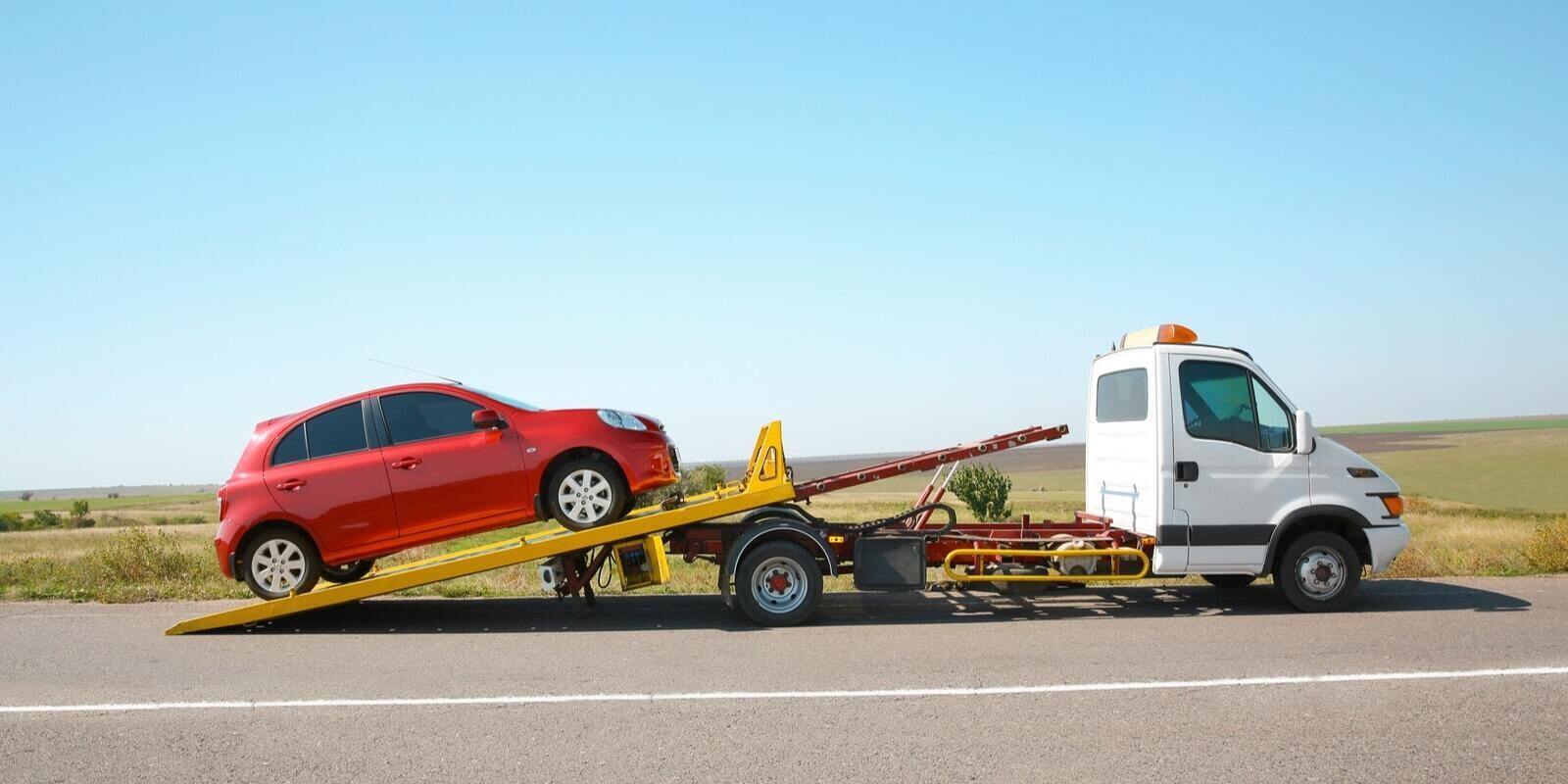
Complete guide to who needs commercial towing insurance: 12 business types, their specific risks, and the coverages each one requires. By Neal Fusco
 Neal Fusco : May 10, 2021, 12:00:00 AM
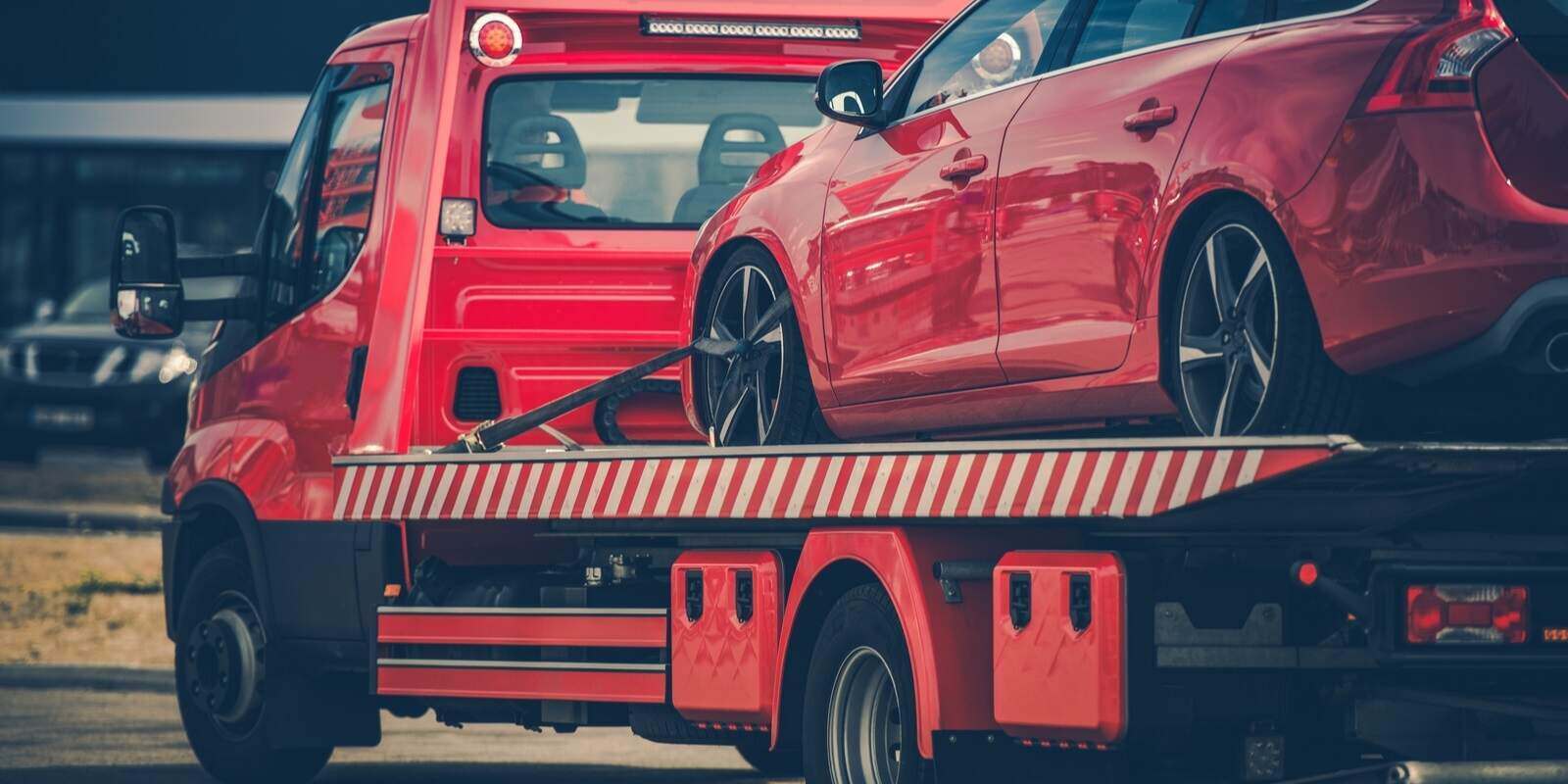
Why emergency roadside operators (lockouts, jumpstarts, fuel) need commercial towing insurance even without towing. Coverage guide by Neal Fusco.
 Neal Fusco : May 24, 2021, 12:00:00 AM
Auto body shops with tow trucks face dual exposure: on-hook AND garagekeepers. Why your garage policy isn't enough. 2026 guide by Neal Fusco.