What Is Garage Keepers Insurance?
 Neal Fusco : May 19, 2021, 12:00:00 AM
Complete 2026 guide to garage keepers insurance: what it covers, who needs it, the three coverage forms, and typical costs. By Neal Fusco.
8 min read
 Neal Fusco
:
Updated on October 4, 2026
Neal Fusco
:
Updated on October 4, 2026
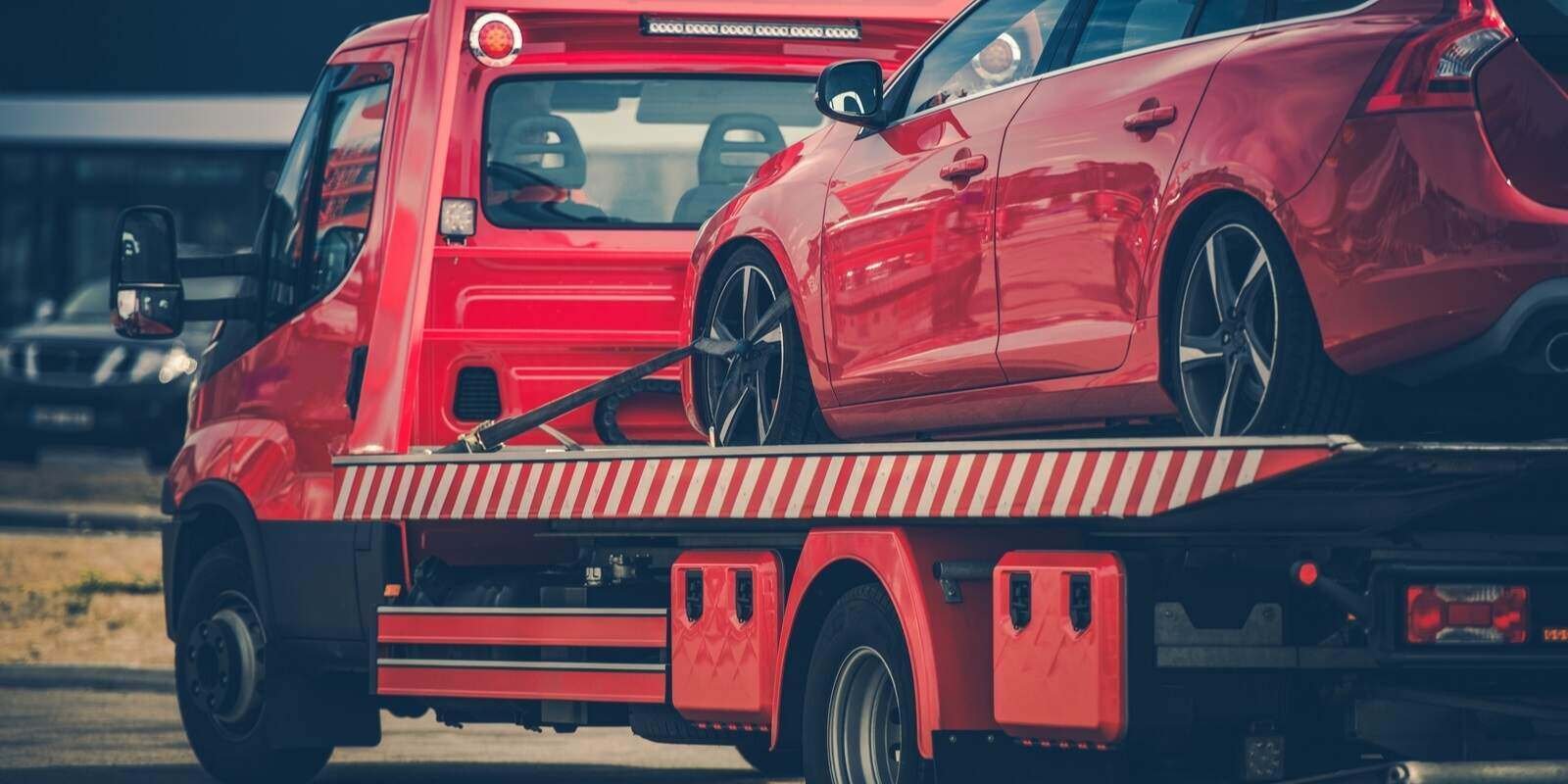
Quick Answer: Auto body shops that operate a tow truck for customer accommodation, accident response, or inventory transport face a unique dual exposure: on-hook while the customer vehicle is on the truck, AND garagekeepers while the vehicle is stored at the shop for repair. Standard garage liability policies typically cover the second exposure but not the first. The result: most body shops with tow trucks are carrying half the coverage they actually need. Adding on-hook coverage to a body shop program typically costs $600 to $1,800 per year and removes a six-figure uncovered claim exposure. The premium is small. The gap is not.
Pro Insurance Group writes commercial insurance for auto body shops, repair facilities, and dealerships with tow trucks across 40+ states. Call 833-776-4671 or request an auto body shop towing insurance quote online.
Auto body shops are one of the most under-insured business types in the commercial vehicle service industry. The reason is the dual exposure structure. Body shops face the same on-hook risk as a dedicated tow operator while a customer vehicle is on the tow truck, AND the same garagekeepers risk as a dedicated storage facility while that vehicle is parked at the shop for repair. Most body shop owners are paying for one half of that exposure under a garage policy and assuming the policy covers the other half. It does not.
This guide explains the dual exposure body shops face, where standard garage policies fall short, what coverage is actually required, and real scenarios where the gap creates an uncovered claim. For broader context on commercial towing classifications, see our Towing Insurance 101 guide. For garagekeepers coverage specifically, see our Garagekeepers Insurance page.
When a body shop operates a tow truck, the customer vehicle moves through two distinct insurance exposure zones during a single repair job:
Zone 1: On the tow truck. From the moment the cable attaches at the customer's location to the moment the wheels touch the body shop lot, the vehicle is in transit on your equipment. This is the on-hook exposure zone. Damage during loading, transit, or unloading falls here. Standard auto liability does NOT cover the vehicle you are towing. You need on-hook coverage to respond.
Zone 2: Stored at the shop for repair. From the moment the vehicle is on your lot until the customer picks it up after repair, the vehicle is in your custody, care, and control. This is the garagekeepers exposure zone. Fire, theft, vandalism, weather damage, and collision damage on your lot fall here. Standard auto liability and most general liability policies do NOT cover this either. You need garagekeepers legal liability (GKLL).
A vehicle in your care passes through BOTH zones on every repair. A typical body shop garage policy covers Zone 2 but not Zone 1. Most body shop owners discover this only when a claim occurs in the gap.
Any auto body shop that operates a tow truck for any of the following reasons needs commercial towing insurance:
If your shop operates a tow truck for any of the above purposes, your exposure begins the moment the customer vehicle attaches to your hook. Frequency does not matter. The exposure exists whether you tow once a year or fifty times a month.
A complete body shop program with tow operations typically includes the following coverage lines:
| Coverage | Zone Covered | Why It Matters |
|---|---|---|
| Commercial Auto Liability ($1M CSL) | In transit | Third-party bodily injury and property damage from your tow truck. State minimums are not enough. |
| Physical Damage on the Tow Truck | Your truck | Damage to your tow truck and equipment. |
| On-Hook Coverage | Zone 1 (on the truck) | Customer vehicle damage during loading, transit, or unloading. Standard auto does NOT cover this. Typically $75K-$150K limit for body shops. |
| Garagekeepers Legal Liability | Zone 2 (at the shop) | Customer vehicle damage while stored at your shop. Fire, theft, vandalism, weather, and collision on your lot. |
| Garage Liability | Premises | Slip-and-fall, premises operations, and product/completed operations liability tied to your repair work. |
| Workers Compensation | Employees | Required by state law for any business with employees. Tow operations are typically a separate rate class from body work. |
| Property Coverage | Building and contents | Your shop building, equipment, paint booth, frame machines, lifts, and inventory. |
| Commercial Umbrella | Excess above primary | Additional $1M-$5M+ of liability limit above primary auto and garage. Often required by insurance referral and dealer relationships. |
The structure depends on whether your operation is heavier on body work, tow work, or a balanced mix. A shop running 100+ tows per month needs a different program structure than one running 10 tows per month. Pro Insurance Group builds the program around your actual mix.
Most body shops are insured under a garage policy. Garage policies are built for automotive service businesses but they are NOT built for towing operations. The typical gaps:
On-hook coverage is not included. A standard garage policy covers premises, operations, completed operations, and garagekeepers. It does NOT cover damage to customer vehicles while attached to your tow truck. This is the single largest gap and the one that catches the most body shops.
Garagekeepers may be on legal liability basis only. Many garage policies write GKLL on a "legal liability" basis, which means the policy only pays if you are found legally liable. If a vehicle is stolen from your lot or damaged by a covered peril where no operator was negligent, legal liability GKLL may not pay. Direct primary GKLL pays regardless of fault but typically costs more.
Auto liability may be sub-limited for tow operations. Some garage policies extend auto liability to scheduled vehicles including a tow truck, but at sub-limits below what motor club contracts and insurance referral programs require. Verify the actual scheduled limit on the tow truck specifically.
Workers compensation may classify drivers incorrectly. A shop technician injured during body work is in one rate class. A driver injured during tow operations is in a different (typically higher) rate class. If both are classified together under a single body shop class code, the carrier may dispute coverage at claim time.
The fix in most cases is to add on-hook coverage and verify garagekeepers basis, scheduled auto limits, and workers compensation classification. Pro Insurance Group audits existing body shop garage policies at no cost to identify these gaps.
Three scenarios that occur regularly in body shop operations and where standard garage coverage typically fails:
Scenario 1: Damage during loading. A body shop tow driver picks up a customer's late-model SUV from an accident scene. While positioning the wheel lift, the equipment scratches the rear bumper cover. The customer demands repair. Estimated repair cost: $1,800. Without on-hook coverage, the body shop pays out of pocket. The garage policy does not respond because the vehicle was not yet on shop premises.
Scenario 2: Transit collision. A body shop tow truck transporting a customer's $90,000 luxury sedan is rear-ended by a distracted driver. The customer vehicle sustains $35,000 in damage. The at-fault driver carries minimum limits of $25,000. Without on-hook coverage, the body shop is exposed for the $10,000 gap between the at-fault driver's limit and the actual damage. With proper on-hook coverage, the policy responds and pursues recovery from the at-fault carrier.
Scenario 3: Fire on the lot. A body shop has 12 customer vehicles parked overnight pending repair. An electrical fire in the building extends to the lot, damaging 4 customer vehicles. Total customer vehicle damage: $84,000. The body shop's property policy responds to the building damage. The garagekeepers coverage responds to the customer vehicle damage IF it is written on direct primary basis. If it is written on legal liability basis and the shop is not found legally liable for the fire, GKLL may not respond and the shop is exposed for the $84,000 in customer vehicle losses. This is why GKLL basis matters.
Adding tow operations coverage to a body shop program is typically less expensive than most owners assume. The incremental cost over a standard garage policy:
| Coverage Addition | Typical 2026 Annual Cost |
|---|---|
| On-hook coverage ($75K limit) added to existing garage program | $600 - $1,200 |
| On-hook coverage ($150K limit) added to existing garage program | $1,200 - $1,800 |
| Upgrade from legal liability GKLL to direct primary GKLL | $400 - $1,000 incremental |
| Complete body shop + tow program (1 tow truck, 5-15 vehicles on lot) | $8,000 - $18,000 total |
| Multi-truck body shop program (3-5 tow trucks, larger storage) | $18,000 - $40,000 total |
The incremental cost to close the on-hook gap is typically less than $100 per month. The cost of a single uncovered on-hook claim is often $5,000 to $50,000+. The math favors closing the gap. For full cost detail across all towing operation types, see our 2026 Tow Truck Insurance Cost Guide.
Free body shop policy audit. We identify the on-hook gap and quote alternatives.
Or call 833-776-4671
Partially, but not completely. A standard garage policy typically covers garagekeepers (vehicles stored at your shop) and provides auto liability on scheduled vehicles including a tow truck. It does NOT cover on-hook (customer vehicle while attached to or being loaded onto your tow truck). On-hook is a separate coverage form that must be added. Most body shops with tow trucks have this gap without realizing it.
On-hook covers the customer vehicle while it is attached to your tow truck or being loaded/unloaded. Garagekeepers covers the customer vehicle while it is stored on your premises. A body shop with a tow truck needs BOTH because customer vehicles pass through both zones during a single repair job. Most garage policies include garagekeepers but not on-hook.
Yes. Frequency does not determine the need; exposure does. Every customer vehicle attached to your hook creates the same on-hook exposure regardless of whether you tow once a year or fifty times a month. A single uncovered claim on one tow can exceed the annual premium for proper coverage. The premium for $75K of on-hook is typically $600-$1,200 per year. It removes the entire exposure.
Legal liability garagekeepers pays only when you are found legally liable for damage to a customer vehicle. If a vehicle is damaged by a covered peril where no operator was negligent (an act of nature, for example), legal liability may not respond. Direct primary garagekeepers pays for covered damage regardless of fault. Direct primary costs more but provides broader protection. For body shops with multiple customer vehicles stored at once, direct primary is typically worth the difference.
Yes. Most insurance referral programs (direct repair programs with major carriers) require $1M combined single limit auto liability, $1M general liability with completed operations, and specific garagekeepers limits. They typically require the carrier to be named as additional insured and may require waivers of subrogation. State minimums and standard garage policy auto sub-limits are usually below referral program requirements.
It depends on the carrier. Some garage carriers will add on-hook coverage as an endorsement to the existing policy. Others write garage business but not tow business, in which case on-hook must be placed on a separate commercial auto or tow policy. Pro Insurance Group reviews your current program and identifies the most efficient path, whether that is endorsement, separate policy, or remarketing the entire program to a carrier that writes both classes together.
Whether you run a single tow truck for customer accommodation or a multi-truck body shop operation, Pro Insurance Group audits your existing program at no cost and quotes the coverage stack that actually fits your dual exposure. We work with the major garage and tow carriers and access specialty markets when a combined program needs to be marketed across multiple lines.
Free policy audit. We identify the on-hook gap, verify garagekeepers basis, and quote alternatives across our appointed carriers.
Or call 833-776-4671
2521 Technology Dr, Ste 201, Elgin, IL 60124 | info@proinsgrp.com
About the Author: This guide was written by Neal Fusco, Vice President of Commercial Lines at Pro Insurance Group. Neal brings 25+ years of experience across both the carrier and agency sides of the insurance industry, with deep specialization in commercial towing, trucking, garage keepers, auto body shop programs, and complex commercial risk placement. He has placed coverage for body shops, repair facilities, dealerships with tow trucks, and combined garage-and-tow operations across 40+ states.
This page is for general informational purposes and does not constitute an insurance quote or binding offer. Actual premiums vary based on operation, state, driver record, loss history, limits, and carrier appetite. Contact Pro Insurance Group for a formal quote.
 Neal Fusco : May 19, 2021, 12:00:00 AM
Complete 2026 guide to garage keepers insurance: what it covers, who needs it, the three coverage forms, and typical costs. By Neal Fusco.
![Why Do I Need Garage Keepers Insurance? Real Scenarios [2026]](https://www.proinsgrp.com/hubfs/Imported_Blog_Media/mechanic-working-in-auto-repair-shop.jpg) Neal Fusco : Jul 11, 2022, 12:00:00 AM
Neal Fusco : Jul 11, 2022, 12:00:00 AM
Why you need garage keepers insurance: real claim scenarios, the gap most business policies leave, and 2026 decision framework. By Neal Fusco.
 Neal Fusco : May 31, 2021, 12:00:00 AM
What does garage keepers insurance cover? Complete list of perils, exclusions, sub-limits, and key endorsements for 2026. By Neal Fusco.